
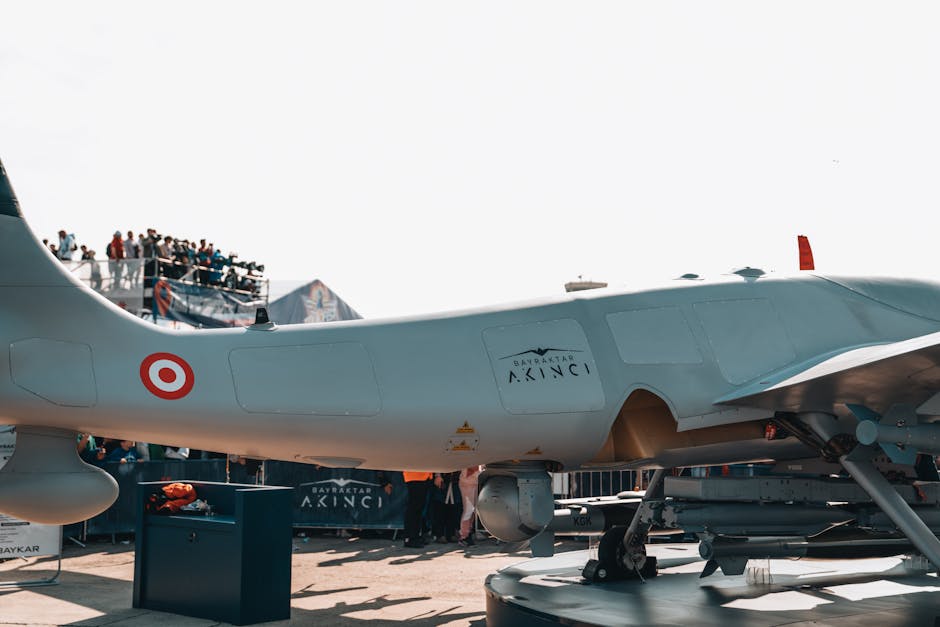
In modern military strategy, the integration of advanced technology is critical for maintaining an operational advantage. Among these technological assets, surveillance drones have emerged as indispensable tools for intelligence gathering, reconnaissance, and battlefield management. Military surveillance drones from Acecore exemplify how cutting-edge unmanned aerial vehicles (UAVs) are reshaping military operations by providing real-time, high-resolution data while minimizing risks to personnel.
The Evolution of Surveillance Drones in Military Use
Surveillance drones have evolved significantly from their initial reconnaissance role to become multifunctional platforms capable of performing a variety of tactical and strategic tasks. Unlike traditional manned aircraft, these UAVs offer the ability to conduct prolonged missions without fatigue and with reduced operational costs. Their agility and stealth capabilities make them ideal for surveillance in hostile or inaccessible environments.
Understanding the distinction between UAVs and drones is essential; while the term “drone” is often used colloquially, UAVs specifically refer to unmanned aerial vehicles designed for precise tasks. This distinction is crucial in military contexts where specialized platforms are deployed. Surveillance drones provide critical intelligence that informs decision-making processes and enhances situational awareness on the battlefield.
Key Capabilities of Military Surveillance Drones
- Real-Time Intelligence Gathering: Equipped with advanced cameras and sensors, these drones deliver live video feeds and thermal imaging to commanders.
- Extended Operational Range: Many military drones can operate over vast distances, covering terrain that would be challenging or dangerous for personnel to access.
- Stealth and Low Detectability: Modern drone designs emphasize low radar signatures and quiet operation to avoid detection during missions.
- Autonomous Navigation: Advanced autopilot systems enable drones to navigate complex environments with minimal human intervention.
- Data Integration: Surveillance data can be seamlessly integrated into broader command and control systems, enabling coordinated responses.
Advanced Technology in Acecore’s Military Drones
The professional drone range from Acecore stands out in the domain of military UAVs due to its combination of durability, precision, and versatility. Built to meet rigorous military standards, these drones offer modular payload options, including high-definition optical sensors, infrared cameras, and electronic warfare systems. Their robustness ensures reliable performance in diverse climates and challenging terrains, from deserts to mountainous regions.
Furthermore, Acecore’s platform supports secure communication protocols that prevent interception and jamming, ensuring the integrity of mission-critical data. This level of sophistication underpins the growing reliance on unmanned systems in complex military operations, where timely and accurate information can be decisive.
Applications Beyond Traditional Surveillance
While reconnaissance remains a primary function, surveillance drones have expanded into various other military and security roles:
- Drone Inspection: Regular inspection of military infrastructure such as bases, borders, and critical installations is enhanced by drones, reducing the need for manual patrols.
- Drone Utility Inspection: Monitoring of communication lines, power grids, and supply routes ensures operational continuity and rapid identification of sabotage or damage.
- Drone Security: Drones can act as aerial sentinels, providing perimeter security and early warning against infiltration or attacks.
- Target Acquisition and Tracking: Drones assist in identifying and tracking enemy movements with precision, supporting both offensive and defensive operations.
- Electronic Warfare Support: Certain UAVs are equipped to disrupt enemy communications or gather electronic intelligence discreetly.
Challenges and Considerations in Deployment
Despite their advantages, deploying surveillance drones in military operations involves several challenges. Issues such as electronic countermeasures, vulnerability to hacking, and operational limitations in adverse weather conditions require continuous technological innovation. Additionally, the ethical and legal implications of unmanned systems in combat zones necessitate clear rules of engagement and oversight.
Training personnel to effectively operate and interpret data from these systems is also essential to maximize their utility. Integration with existing military infrastructure and ensuring interoperability among allied forces further complicate deployment but remain critical for mission success.
Looking Ahead: The Future of Military Surveillance Drones
As military forces worldwide invest in unmanned technologies, surveillance drones will continue to play an increasingly prominent role in operational planning and execution. Advances in artificial intelligence, sensor technology, and communications will enhance their autonomy and effectiveness. The ongoing development of the professional drone range from Acecore promises to keep pace with these advancements, providing military operators with reliable, flexible, and sophisticated tools to meet evolving security challenges.